Best Painters in Denver, a Painter Hotline color and finish studio Call 720-208-5645

Our standards

What the best painters in Denver do, one standard at a time

These are the rules our crews work to on every Denver job. They’re also a fair yardstick for any painter you’re considering, including us.

In one paragraphProtect the home, repair the surface, prime where the surface needs it, use the right product and sheen, cut clean lines, keep the site clean every day, inspect the finish the way the painting industry’s own standard describes, and stand behind it in writing. Everything below expands one of those.

Standard 1

Protect the home before anything opens

Floors are covered edge to edge, furniture is moved to the center of the room and wrapped, and switch plates, outlet covers and hardware come off rather than getting painted around. In hallways and stair runs where dust or overspray could travel, the space is sealed with plastic.

It takes time on day one, and it’s the first thing a hurried crew skips.

How to check any painter: walk past the room after the first morning. If you can see bare floor near an open can, that’s your answer.
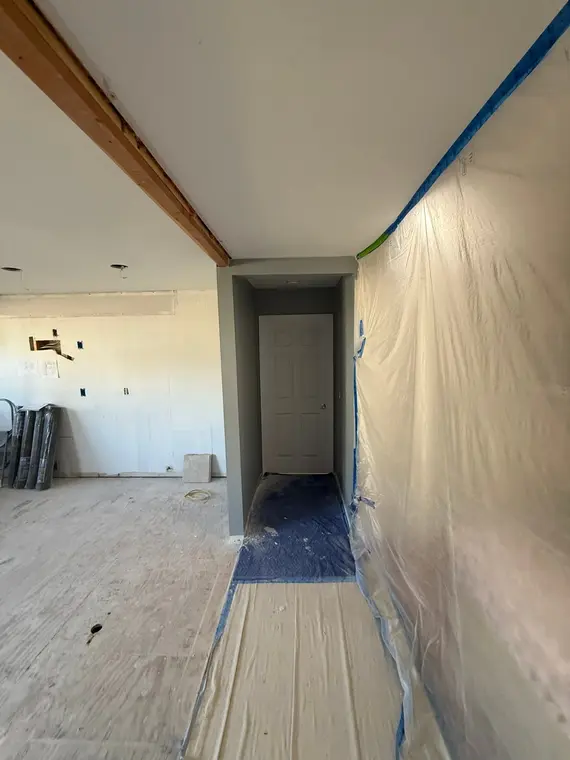
Corridor fully sealed with plastic sheeting and protected floor before painting
Sealed hallway, covered floor, before the ceiling work starts.

Standard 2

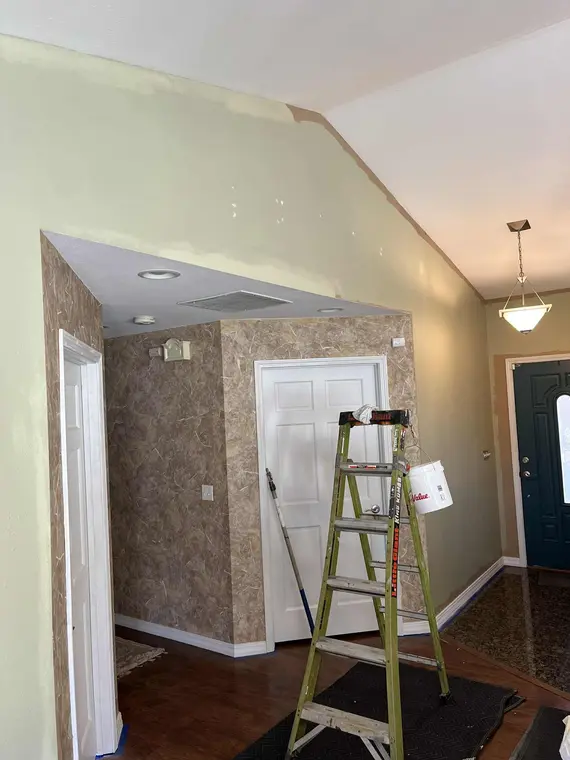
Repair the surface so the paint has something to be proud of

Fresh paint makes flaws more visible, not less. Nail pops are reset, cracks are opened, taped or filled, dents and old anchor holes are patched, and every repair is sanded flush. On walls meant for glossy paint, deep colors or strong side light, the drywall industry recommends a smoother Level 5 finish (a skim coat over the whole surface) instead of the standard Level 4, because joints and fasteners show through otherwise.

How to check any painter: look along the wall with a flashlight held flat against it. Patches you can see as bumps or halos were not sanded or primed.

Vaulted living room mid-prep with ladder, patched walls and textured feature wall
Mid-prep: patches set and sanded before any color goes on.

Standard 3

Plan for older-home rules before day one

Many Denver homes were built before 1978. When work will disturb painted surfaces in that housing, Colorado’s Regulation 19 requires the Renovate Right pamphlet to be given to occupants at least 7 days before work starts, with a signed receipt, and lead-safe work practices apply. Separately, scraping popcorn or other textured ceilings is a different job from painting them: in a single-family home, disturbing more than 32 square feet of such material requires an inspection by a Colorado-certified asbestos inspector first.

We build both into the schedule so nobody is surprised a week before the start date.

How to check any painter: ask the painter what year your house was built and what changes because of it. They should know without looking it up.

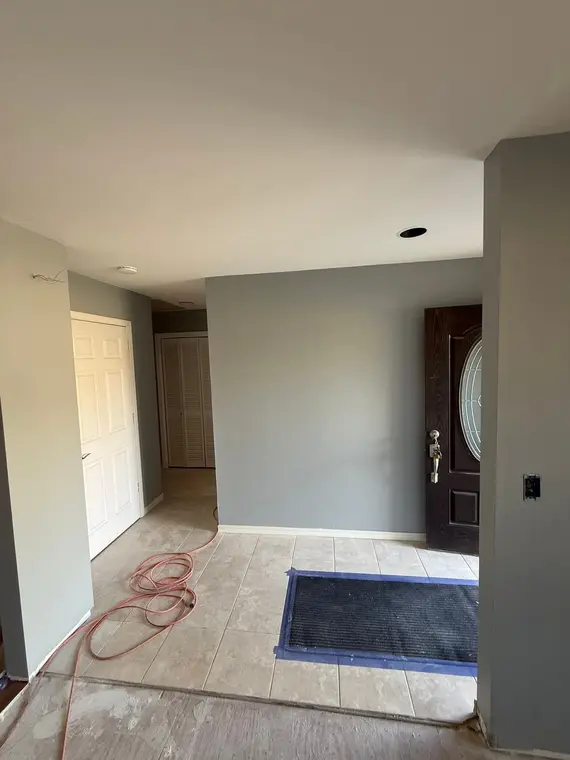
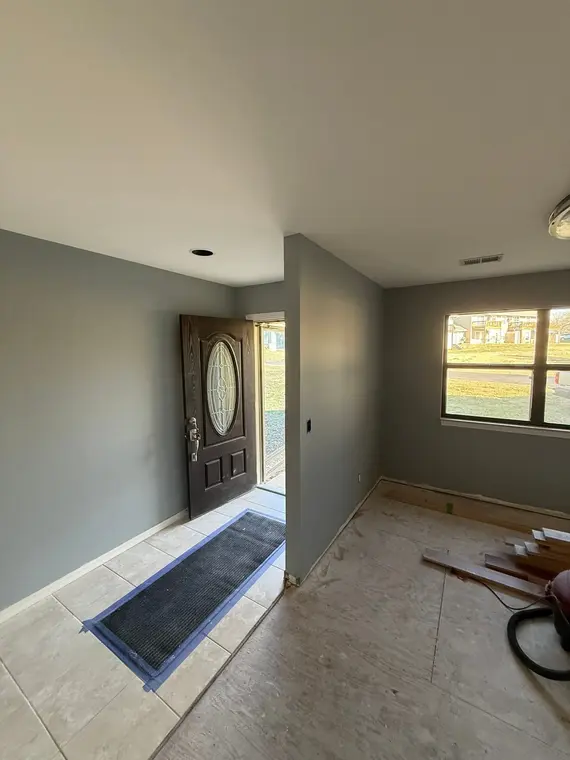
Entry with freshly painted gray walls, protected floor and a mat at the front door
Entry walls painted with the floor still protected.

Standard 4

Choose the primer on purpose

Primer is a decision, not a habit. Bare drywall and patch compound absorb paint unevenly, so they need a primer-sealer. Water, smoke and marker stains need a stain-blocking primer matched to the stain. Glossy paint, laminate and other slick surfaces need a bonding primer or a scuff-sand first. Raw wood and knots can bleed tannins through latex unless they’re sealed. And going from light to deep color is easier with a tinted primer.

Read the full breakdown in do you need primer before painting?

How to check any painter: ask which primer goes where on your job. “We use paint and primer in one” is not a complete answer for repairs, stains or glossy trim.

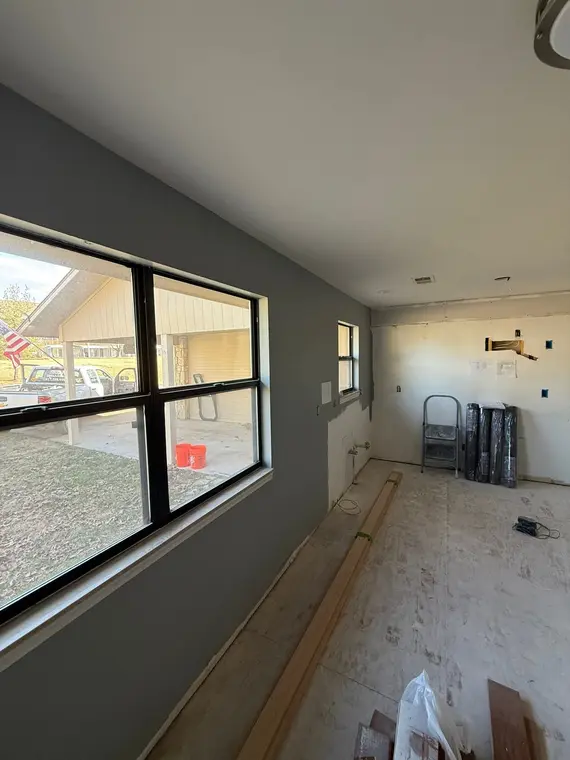
Room with large windows during painting, freshly coated gray walls and materials staged on a covered floor
Walls coated, trim next, floor still covered.

Standard 5

Cut clean lines by hand

The ceiling line, the trim line and the accent-wall corner are where your eye goes first. Our painters cut them freehand with a good brush and a steady pace, using tape where it actually helps (on fresh, cured surfaces, never over wet paint). Trim gets its own coats in its own sheen. Doors are often taken down and finished flat for a smoother result.

How to check any painter: stand in the doorway and follow the ceiling line around the room. It should be straight and even without wobble, skips or bleed.

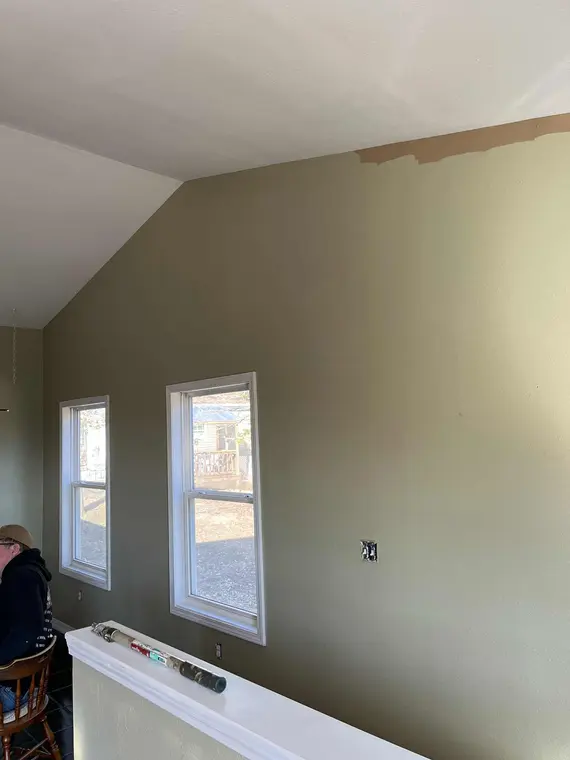
Sage walls with crisp line at a white vaulted ceiling and clean window trim
A ceiling line on a vaulted wall, cut by hand.

Standard 6

Leave the house livable every single day

Brushes washed off-site or in a designated spot, rooms put back so you can use them at night, walkways clear, nothing left wet where kids or pets can reach it. On the last day, furniture returns to where it lived, outlet covers go back on, and you get a walkthrough before we call it finished.

How to check any painter: ask what the house will look like at 5 p.m. on day two. A good answer is specific.

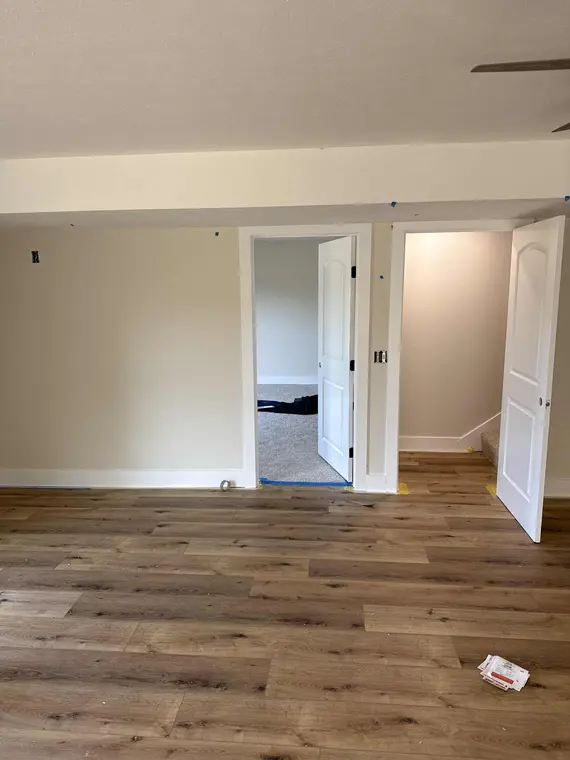
Clean finished room with warm white walls, white trim and doors, and wood flooring
A room handed back clean at the end of the job.

Standard 7

Inspect the finish the fair way

The painting industry’s own quality standard says a properly painted surface is judged without magnification, from about 39 inches (one meter) or more, under the room’s finished lighting and from a normal viewing position. That’s how we inspect, and it’s how we walk through the job with you. Anything that fails that test gets fixed before we leave.

Here’s the homeowner’s version: how to inspect a paint job.

How to check any painter: ask whether the final walkthrough is with you, and what happens to the punch list.

Finished entry hall with gray walls, white trim and a stained front door
Final walkthrough, viewed the way the finish will be lived with.

Standard 8

Put the work in writing and stand behind it

Your estimate names the surfaces, the prep, the products and sheens, and the schedule. Painter Hotline is fully insured, and our workmanship carries a written 5-year warranty. You can read how Painter Hotline words its 5-year warranty before you ever call.

Colorado does not issue a statewide painting-contractor license, so insurance and a written warranty are the documents that matter most.

How to check any painter: ask for the warranty terms before you sign, not after. If they’re not written, they don’t exist.

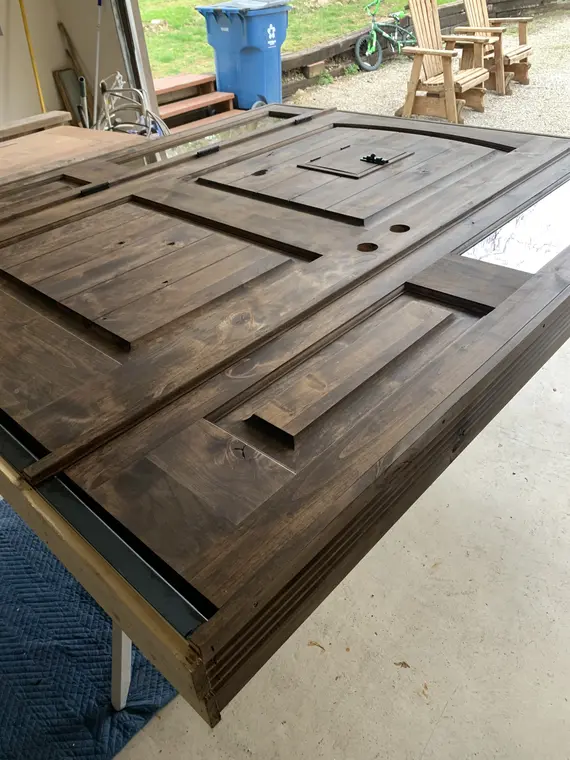
Solid wood door laid flat on supports and freshly stained
A door laid flat to finish, so nothing runs.

Standard 9

Estimate the way you prefer

Some people want to text photos from the couch; others want someone to walk the house and look at the trim up close. We do both. A virtual estimate starts with photos and a few measurements. An in-person estimate means we come to you. Either way, you get the same written scope.

How to check any painter: notice whether the painter asks questions about your house, or just asks for the square footage.

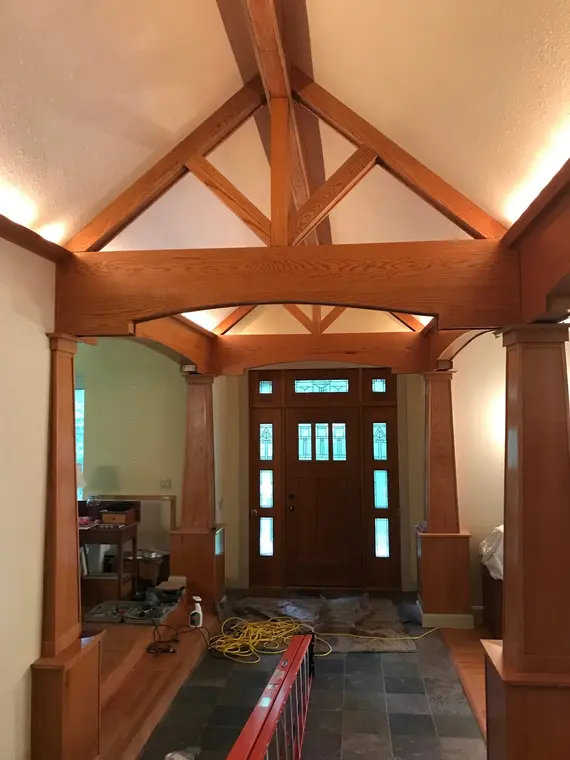
Painted entry walls around heavy timber beams and a wood front door
Detail work that an estimate should spell out.

Hold us to every one of these.

Call or text us, or send a few photos for a virtual estimate. You choose virtual or in-person.

Questions people ask

How can I tell if a painter does proper prep?

Ask them to list it in the estimate: what gets covered, what gets moved, how cracks and holes are repaired, which areas get primer and which primer. A painter who prepares properly can describe it surface by surface.

Does every wall need primer?

No. Sound, clean, previously painted walls in a similar color usually do not. Repairs, bare drywall, stains, glossy surfaces, raw wood and big color changes usually do.

What does a painting warranty cover?

Ours is a written 5-year workmanship warranty. Workmanship covers how the paint was applied, for example peeling or failing paint caused by the application. The written terms, including what is excluded, come with your estimate.

Do painters need a license in Colorado?

Colorado has no statewide painting-contractor license. Ask for proof of insurance and a written warranty instead, and check whether your city requires a permit for the specific job.

Call 720-208-5645Get an estimate